Guides
Garage door opener repair vs replace: a service owner's decision guide
Garage door opener repair vs replace turns on age, drive type, part cost and safety features. Here is how owners frame the call for customers.
What to take away
- Repair usually wins when the opener is under about 10 years old, the fault is a single part, and the rail, springs and door balance are sound.
- Replace when the unit is past its warranty, has a failed logic board or motor, or predates the 1993 federal entrapment rule.
- The customer's real comparison is not part price against unit price. It is one more service call against a decade of quiet operation.
- Safety features decide more jobs than labour rates do. Photo-eye and reversing systems are not optional add-ons.
- Match the recommendation to the door. A new opener on a binding door fails early and costs you the callback.
What is being compared
Two paths. Repair keeps the existing unit and replaces the failed component. Replace removes the unit and installs a new one, reusing the rail where the manufacturer allows it.
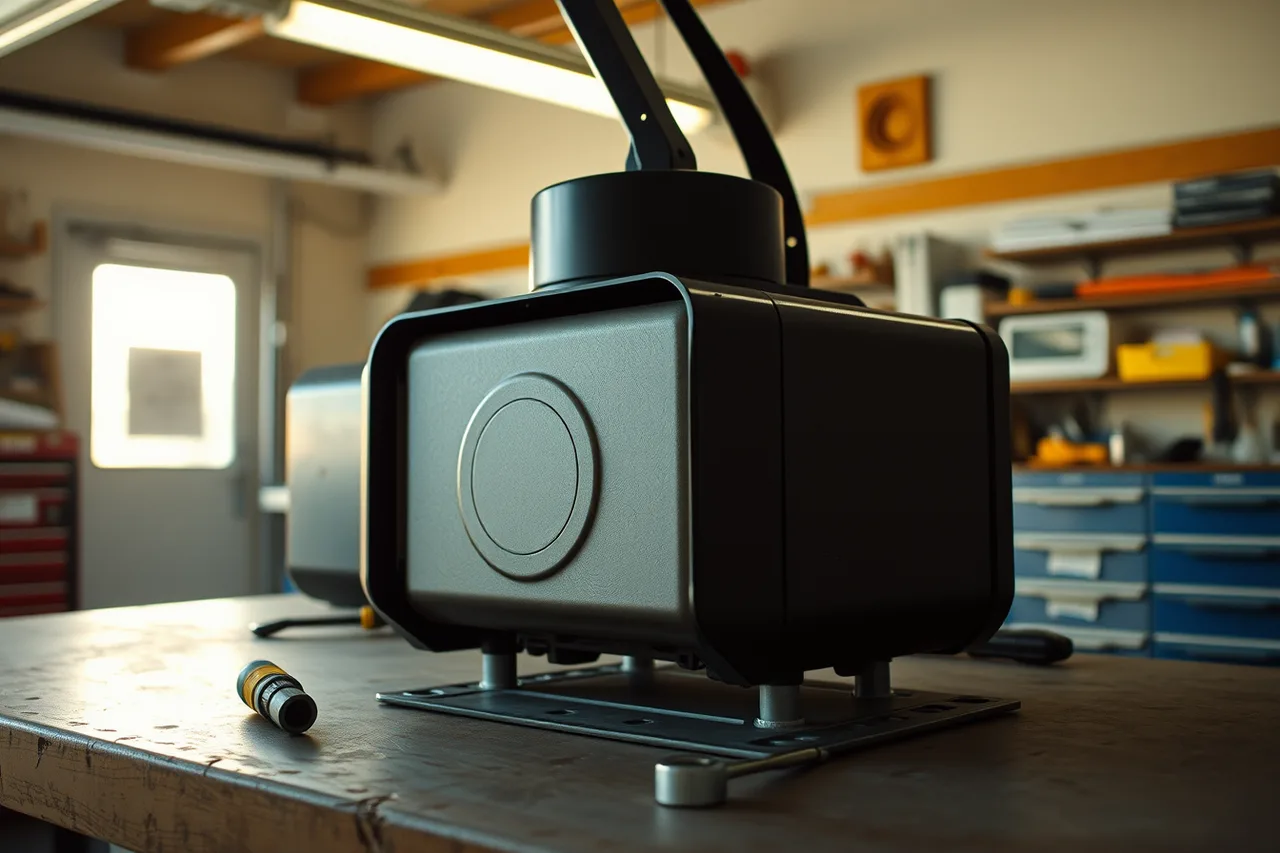
Most calls land on one of five symptoms: the door will not move, the motor runs without moving the door, the remote works intermittently, the unit reverses on closing, or the opener makes a new noise. Each symptom points toward one path more often than the other.
Chain drive, belt drive, screw drive and jackshaft units fail differently. Belt drives are quieter and usually worth repairing. Chain drives are common and cheap to fix. Jackshaft openers sit beside the torsion bar and cost more to replace, so repair often wins there. See the overview of opener types and drive systems for how each is built.
The criteria that matter
Favors repair
- Age of unit
- Under 10 years
- Warranty status
- Parts still covered
- Fault type
- Gear, remote, sensor, trolley
- Safety features
- Current photo-eye and reverse
- Door condition
- Balanced, smooth travel
- Parts availability
- Common OEM part in stock
Favors replace
- Age of unit
- Over 12 to 15 years
- Warranty status
- Out of warranty on motor and board
- Fault type
- Logic board, motor, stripped drive
- Safety features
- Pre-1993, no photo-eye
- Door condition
- Binding, worn springs, heavy door
- Parts availability
- Discontinued model
Check the CPSC recall database before quoting either path. A recalled model turns a repair into a replacement on liability grounds, and the recall listings let you confirm the model number on the label.
Option by option
Repair
A gear and sprocket kit runs roughly $25 to $60 in parts, and a logic board $80 to $200. Labour on a straightforward opener repair commonly lands between $120 and $250 in most US metros, so a typical repair invoice sits near $150 to $350. Those figures are illustrative ranges, not quotes.
Typical repair and replace costs
- 25-60Gear and sprocket kit parts
- 80-200Logic board parts
- 120-250Repair labour
- 350-800Total installed replacement
Repair is the right answer when the unit is under 10 years old, the rail and door are sound, and the failed part is available. It is also right when the customer is moving soon and needs the door working.
Replace
A new belt or chain drive opener with a battery backup runs about $180 to $400 at retail, with installation commonly $150 to $400 depending on door height and whether the rail is reused. Total installed cost usually falls between $350 and $800, again illustrative.
Replace is the right answer when the motor or board has failed on an out-of-warranty unit, when the model is discontinued, or when the unit predates the 1993 federal requirement for a reversing mechanism and photo-eye. It is also right when a customer wants smartphone control, quiet operation or battery backup.
Repair now, replace later
A third path fits older but functional units. Fix the immediate fault, note the age in your records, and quote replacement at the next failure. This keeps the customer moving without pushing a sale they did not ask for.
Whichever path you quote, write it the same way every time. The quote template with pricing examples keeps repair and replace quotes comparable line by line.
Where each one wins
Repair wins on cost, on speed, and on older doors where the opener is not the weak point. A customer with a 2016 belt drive and a dead remote should not hear a replacement pitch.
Replace wins on reliability, warranty and features. A 2004 chain drive with a failed board and no battery backup is a replacement conversation, and the customer usually knows it before you arrive.
Repair now, replace later wins with landlords and property managers who budget by the year. It also fits customers who plan to sell within two years.
What none of them solve
No opener decision fixes a door that is out of balance, has worn springs, or binds in the track. A new opener on a binding door burns out the same way the old one did, and the callback lands on you.
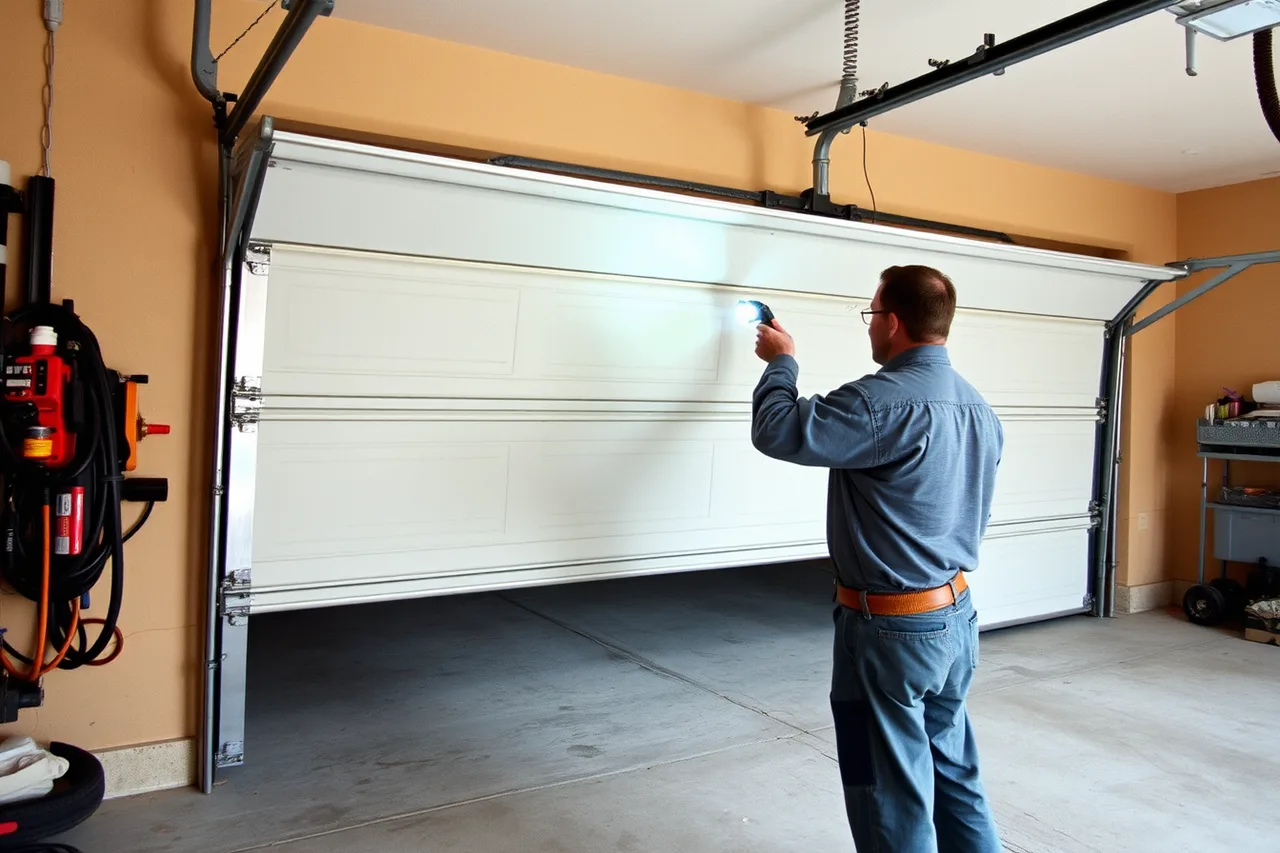
Check balance by hand before quoting. If the door will not stay halfway up, the springs are the real problem, and the background on door components explains which parts fail first.
Two more limits apply to every option. Parts availability is not guaranteed on discontinued models, and no repair or replacement extends the life of a door that has structural damage. Say so in writing.
Example
A customer calls about a 2009 chain drive that runs but will not lift the door. The technician finds a stripped drive gear. Parts are $40, labour is $180, and the door balances correctly. Repair is the clear answer, and the invoice lands near $220.
Same symptom, 2002 unit, cracked logic board, no replacement board in production. Replace is the answer, and the quote reflects a discontinued model. The troubleshooting walkthrough on callback patterns helps you catch these differences before the truck rolls.