
Guides
More referrals for a garage door service business: what actually works
Garage door service referrals from two sources: households who watched the repair explained, and trade partners who need predictable response and records.
What to take away
- Referrals in this trade come from two very different placeshouseholds who just watched you work, and businesses who send you work repeatedly.
- The household referral is earned in the twenty minutes after the repair, when you explain what failed and what to watch.
- The trade referral is earned by being predictablesame response, same paperwork, same person, every time.
- A referral is not a review, and the rules that apply to incentives and disclosure are worth understanding before you offer anything.
- Track where referrals come from by name. A shop usually finds that a handful of sources produce most of them.
The household referral
People recommend a garage door shop when three things happened: the problem was explained in words they understood, nothing surprising appeared on the bill, and the door works. The first is the one shops undervalue.
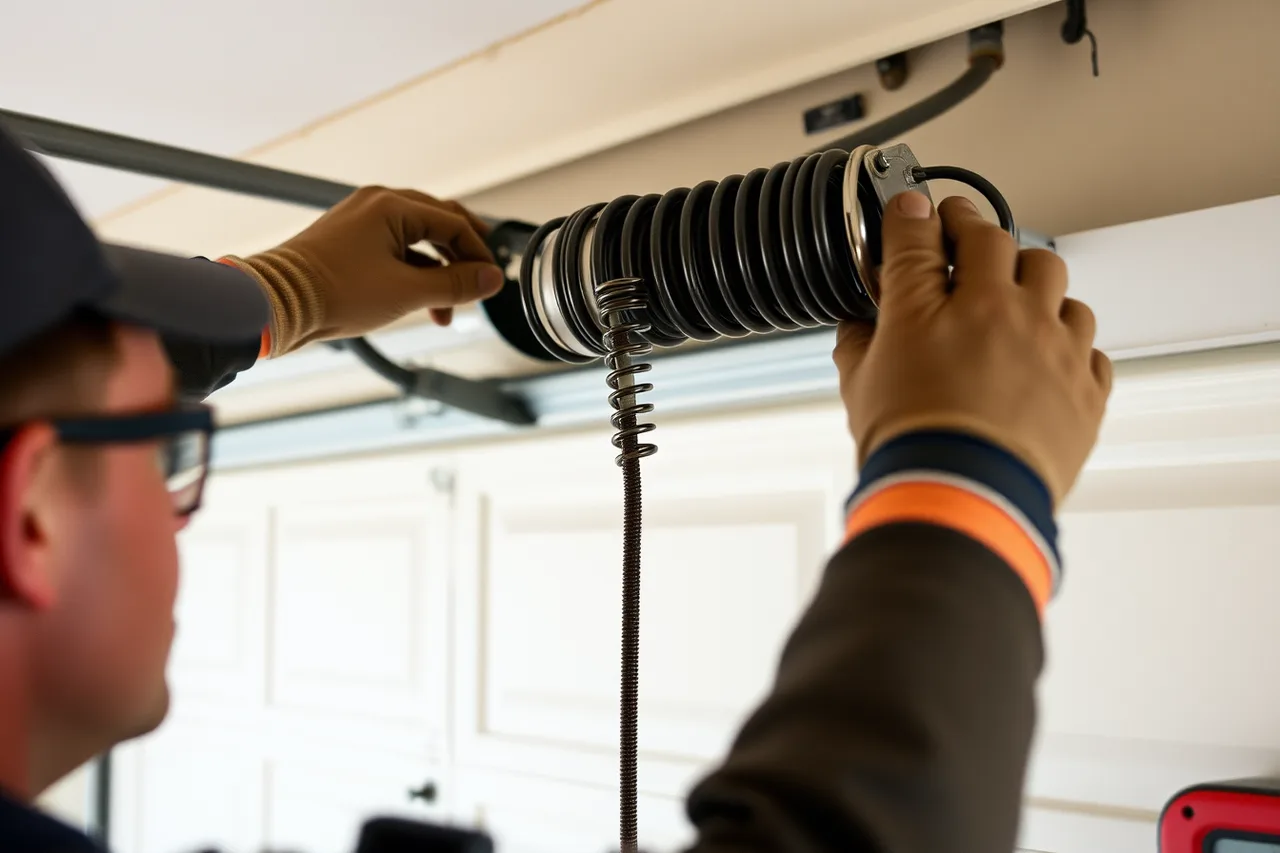
What to do on every visit:
- Show the part that failed and say plainly why it failed.
- Say what you did and what you deliberately did not do.
- Say what will need attention later and roughly when, without turning it into a sales pitch.
- Leave the written record, and leave your number somewhere in the garage.
- Ask, once, whether they know anyone else with a door problem.
Point three is what produces the referral months later, because the neighbor's door starts making the same noise and your customer remembers the explanation.
The trade referral
These are relationships, not campaigns. The realistic sources are property managers, builders and remodelers, real estate agents preparing houses for sale, self-storage and light commercial operators, home inspectors, and other trades who meet doors they do not service.
What each of them needs from you differs, but the common requirement is predictability. They are putting their own reputation on your arrival. Give them a named contact, a response commitment you can keep, and documentation they can file without editing.
| Source | What they send you | What they need in return |
|---|---|---|
| Property manager | Repeat repair work across a portfolio | Response terms and records for the file |
| Builder or remodeler | Installation work, scheduled | Reliability on their program dates |
| Real estate agent | Urgent presale repairs | Speed and a clean, presentable finish |
| Home inspector | Diagnosis and quotes | An honest second opinion, including when nothing is wrong |
| Other trades | Whatever they cannot handle | Reciprocity, and not poaching their customer |
The last row deserves care. A trade that refers you and then hears you quoted for their own work will not refer you again.
Building it without a program
Start with a list of every source of work over the past year, by name. Add the trades and businesses you already meet. Then do three things: contact each one personally, tell them exactly what you want to be sent, and tell them what you will do when it arrives.
Being specific matters. "Send us anything" produces nothing. "If you find a door that will not close, call this number and we will be there the same day, and you will get a written report" produces something, because it tells them what they can promise their own client.
Then keep the promise every time. One missed response undoes six months.
Incentives, reviews, and where the lines are
A referral fee to a business partner and a customer review follow different rules. Reviews carry expectations about how they are obtained and disclosed in the Federal Trade Commission's guidance on soliciting and paying for online reviews.
Read that guidance before offering anything in exchange for either, and get advice where money changes hands in a referral arrangement.
Two safe practices. Ask every customer for a review the same way, so the collection is not selective. And keep any commercial referral arrangement documented and disclosed to whoever it affects.
What referrals do to the shop
Referred work is usually better work: the caller arrives with trust, argues less about price, and is more likely to accept an honest diagnosis. That improves margin without changing the price, which is a rare thing.
It also concentrates risk: a shop growing on two property management accounts has a customer concentration problem.
Watch it deliberately alongside the market thinking in the market selection guide.
Balance referral growth with the presence work in the local SEO checklist and the conversion work in how to win more customers, so no single relationship decides your year.
Making sure you can absorb it
Referrals arrive as expectations set by somebody else. Before actively building them, check that you can honor the promise. That means capacity in the schedule, the right parts on the vehicle for the doors that source will send you, and someone available who is signed off for the work.

The stock question is the one most often missed, and it is handled in the equipment and setup guide. Where a referral relationship becomes a significant share of the business, reflect it in your overall approach rather than leaving it informal. That ground is covered by the marketing and growth guide.
Tracking without a system
Ask every caller who sent them, and record the name, not just the category. Once a month, count by name. Two things become visible: which relationships are real, and which ones you have been maintaining out of habit. Thank the first group specifically, and decide honestly about the second.
Your map listing also collects referrals indirectly, since people search your name after hearing it. The platform's guidance on improving a local business profile explains what that listing needs to be complete, and a referred customer who cannot find you is a referral wasted.
Common questions
Should we pay for referrals?
Money changing hands turns a favor into an arrangement with obligations and disclosure questions. Some shops do it successfully with commercial partners; consider advice before setting one up, and keep it documented.
How do we ask without being awkward?
Ask once, specifically, at the end of a job that went well, and then stop. Asking twice makes the first ask feel like the point of the visit.
What if a referral source sends bad work?
Tell them, specifically and privately. A source sending you work you cannot serve is a relationship that needs adjusting rather than ending.
How long does a referral network take to matter?
Longer than advertising and it lasts far longer. Judge it over a year, and expect most of the volume to come from a small number of sources.