
Guides
Local SEO checklist for garage door owners
A garage door service local SEO checklist in six blocks: Google Business Profile, NAP consistency, service and area pages, reviews, and measurement.
Garage door service local SEO is not a mystery and not a full-time job. It is a short list of concrete tasks: claim and complete the profiles that matter, keep the business name, address, and phone number identical everywhere, publish one real page per service and per area, run a review process, and measure what the work produces.
What to take away
- Local visibility for this trade is won on completeness and consistency, not on tricks. Finish the boring items before anything else.
- Your service area description has to match where you can lawfully and practically work. Claiming more is a compliance problem before it is a marketing one.
- Every listing, page, and vehicle should carry the same business name, address arrangement, and phone number. Differences confuse both people and platforms.
- Reviews are part of this, and how you collect them is governed by rules worth reading before you start.
- Check the whole list quarterly. Listings drift, hours change, and nobody notices until the calls slow down.
Block one: Google Business Profile
- Business name matches your legal and signage name exactly, with nothing appended
- Category selected accurately, plus any secondary categories that describe work you actually do
- Service area described honestly, matching where you can reach and are cleared to work
- Hours accurate, including how emergency availability is represented
- Phone number that a person answers during those hours
- Description written for a worried homeowner rather than for the trade
- Photographs of real vehicles, real work, and real people
- Services listed individually rather than as one blur
Google's guidelines for representing your business on Google are the authority on what this listing rewards, and they are worth reading rather than guessing at. They govern the name, the address, and the categories, and Bing Places and Apple Business Connect publish their own versions of the same rules.
Block two: NAP consistency everywhere else
- NAPthe business name, address, and phone number — written down once and copied from that source, never retyped
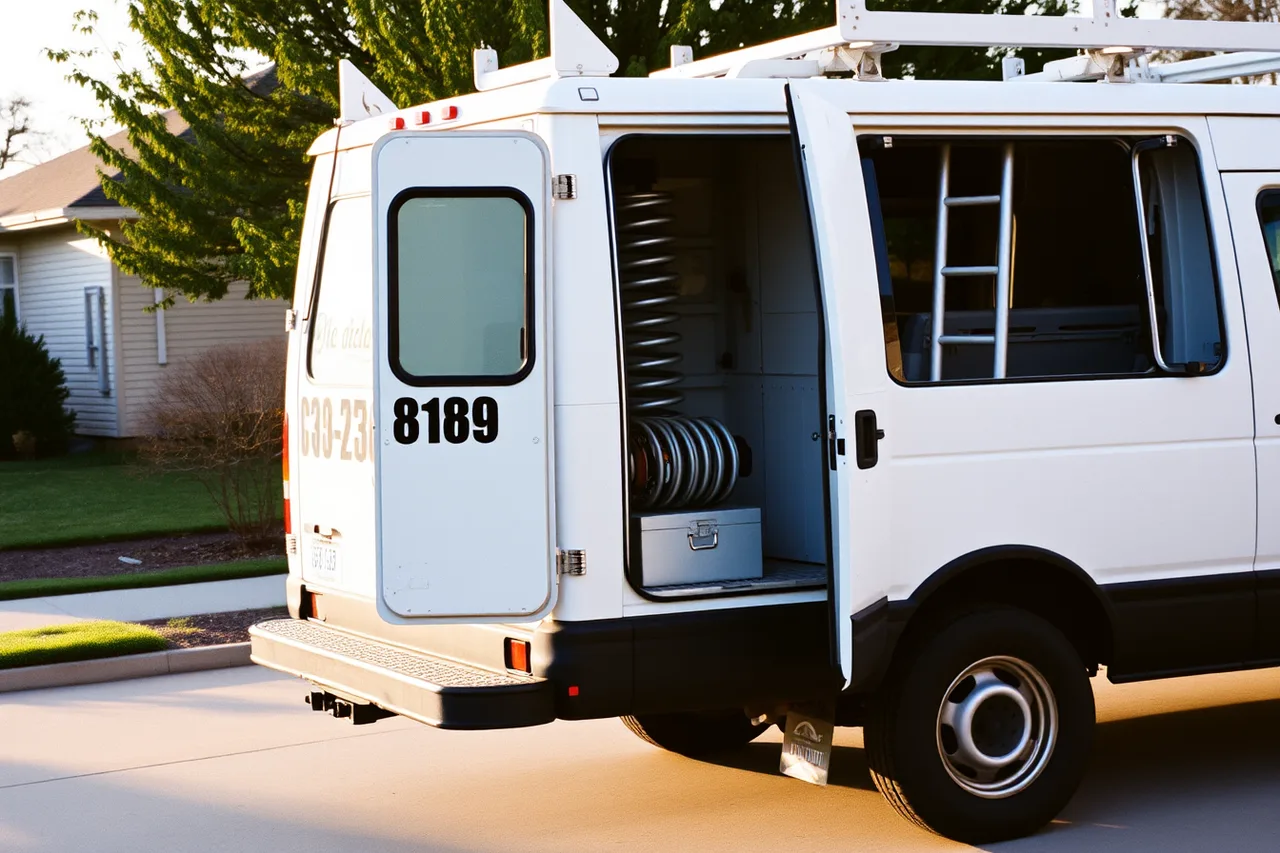
- Website, listing, invoices, and vehicle signage all show the same name and number
- Any old listings from a previous business name found and corrected or closed
- Contact number consistent across the directories that matter for this trade: Google Business Profile, Yelp, Yellow Pages, Better Business Bureau, Angi, Nextdoor, and Facebook
- Hours consistent between the website and the listing
- Service area consistent between the website map and the listing
- Data aggregators such as Data Axle, Foursquare, and Localeze checked, since they feed many of the smaller directories
Inconsistency is the most common problem and the least interesting to fix, which is why it survives for years.
Block three: the website pages that matter
- A page per service that describes what the visit includes and excludes
- Service pages built around the terms people actually searchgarage door spring replacement, opener repair, panel replacement, and emergency garage door repair
- A page or section for the brands you service, such as LiftMaster, Genie, and Chamberlain, where that is true
- A page per area you genuinely serve, written about that area rather than templated
- Contact details visible without scrolling, on a phone
- An honest response statementwhat you can do today and what you cannot
- Prices or price structure explained to whatever extent you can support
- Title tags and headings that name the service and the town, not only the company
- LocalBusiness schema markup on the site, carrying the same name, address, and phone number as the profiles
- The business plan's own service definitions reflected accurately, since the site is where those promises become public. The underlying definitions belong in your business plan
Area pages are worth care. A page that mentions a town and nothing else about it helps nobody. A page that describes the housing there, the door types common to it, and how quickly you can reach it is genuinely useful and much harder to copy.
Block four: reviews on Google, Yelp, and the rest
- Profiles claimed and watched on Google, Yelp, Facebook, Angi, and the Better Business Bureau
- A consistent process for asking every customer, not a selected few
- The request sent at a consistent point after the job
- A written policy on incentives, aligned with the Federal Trade Commission's Endorsements and Testimonials Guide and the FTC's Rule on the Use of Consumer Reviews and Testimonials, which prohibits buying reviews and paying for positive ones
- Responses written to every review, including the difficult ones
- No review ever written, edited, or arranged by the business
The response to a poor review is read by more people than the review. Answer the substance, avoid arguing about the facts in public, and offer to continue the conversation directly.
Block five: the things that must be true offline
- Every area you list is one you can actually reach within your stated response times
- Every service you list is work someone in the shop is signed off to perform, per the hiring and training guide
- Every service you list is work you may lawfully perform there. Contractor licensing sits with your state contractor licensing board or the local body that registers home improvement contractors, and your city or county building department handles permits where they are required. Record what applies to you in the licensing and compliance guide
- The vehicle carries what the advertised work requires, per the equipment and setup guide
This block is the one that separates a listing from a promise. Local visibility that generates calls you cannot serve produces the reviews that undo it.
Block six: measurement tools
- Google Business Profile insights checked monthly for calls, direction requests, and the searches that surfaced the listing
- Google Search Console connected, so you can see which service and area pages earn impressions and clicks
- Google Analytics 4, or your site analytics, tracking quote requests and form fills rather than visits alone
- Call tracking in place through a dedicated number or a service such as CallRail, so calls can be counted by hour
- Every caller asked how they found you, recorded in the same field each time
- Calls answered against calls received, by hour
- Booked jobs attributed to source, not just inquiries
- Citation accuracy and local rankings checked with a tool such as BrightLocal, Moz Local, or Yext
- Quarterly review of the whole checklist, with a date in the calendar
Attributing jobs rather than clicks is what keeps this honest. A listing that generates many calls from outside your service area is producing work for whoever answers next.
The quarterly walk-through
Set aside an hour every three months and re-read the list top to bottom as a stranger would. Search for your own service from a phone in a district you cover and see what appears. Call your own number at the hour you suspect is worst. Read your own service page as somebody whose car is trapped.
That hour finds more than most paid audits, and it costs nothing. Where it produces changes, feed them into the wider plan set out in the marketing and growth guide rather than fixing them one at a time and forgetting why.
Common questions
Does a physical address help?
A verified address is required, but a service-area business can hide it and show a service area instead. Google Business Profile's guidelines for representing your business on Google govern that choice, and what matters more for a mobile shop is that the service area is honest and the phone is answered.
How many area pages should we have?
As many as you can write with real content about the area. One good page beats twelve templated ones, and templated area pages are easy for a reader to recognize.
Do keywords in the business name help?
Adding words to a business name that are not part of the real-world name is against Google's guidelines for representing your business on Google and against the equivalent rules on Yelp and the Better Business Bureau, and it is a poor foundation for anything. Use the real name.
How quickly does this work?
Slower than paid advertising and it does not stop when you stop paying. Treat it as the base layer and judge it over months rather than weeks.