Guides
Choosing garage door service equipment brands for 2027
Garage door service equipment brands for 2027, named and compared: LiftMaster, Genie, Chamberlain, Sommer, Marantec and the parts houses behind them.
What to take away
Top of the list for 2027: LiftMaster as the primary line, Genie as the second, Chamberlain for retail-installed doors you did not sell. Sommer or Marantec only where a distributor stocks them. On doors, Clopay first, Amarr second, with Wayne Dalton and CHI as the alternates.
The garage door service equipment brands for 2027 are LiftMaster, Genie and Chamberlain for volume operators. Sommer, Marantec, Linear and Hormann fill the rest. Clopay, Amarr, Wayne Dalton and CHI cover most residential doors.
- Operator brands for 2027 include LiftMaster, Genie and Chamberlain. Sommer, Marantec, Linear and Hormann fill the rest. Clopay, Amarr, Wayne Dalton and CHI cover residential doors.
- Operator choice turns on logic board generation, not the badge. A 2011 LiftMaster and a 2024 LiftMaster share a name and almost nothing else.
- Parts continuity is the criterion that costs second visits. Ask what the distributor still supports from ranges sold ten years ago.
- Quote torsion spring cycle ratings, not wire gauge alone.
- Score your suppliers every year. Distributors change hands and ranges get discontinued.
- For 2027 the brand list is the same as 2026. What moves is parts support, which drops the oldest ranges first, so re-check distributor coverage each year.
The operators you will meet on US and Canadian doors
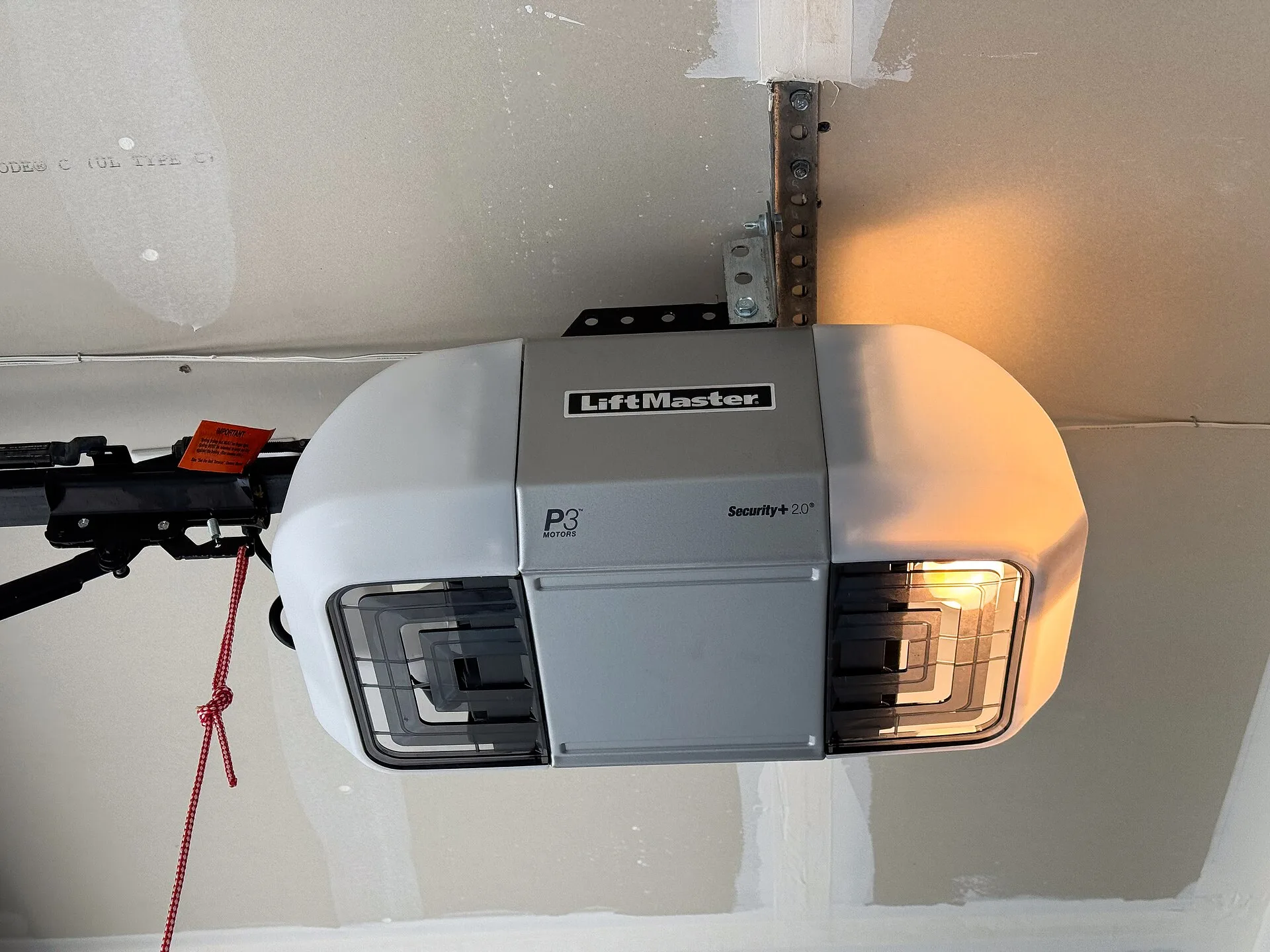
LiftMaster (Chamberlain Group) holds the largest installed base in most service areas. Its MyQ radio and 8500 wall-mount line are common on residential work. Commercial Logic 5 boards appear on light-duty cycle doors. Parts are everywhere, which is the whole argument for it.
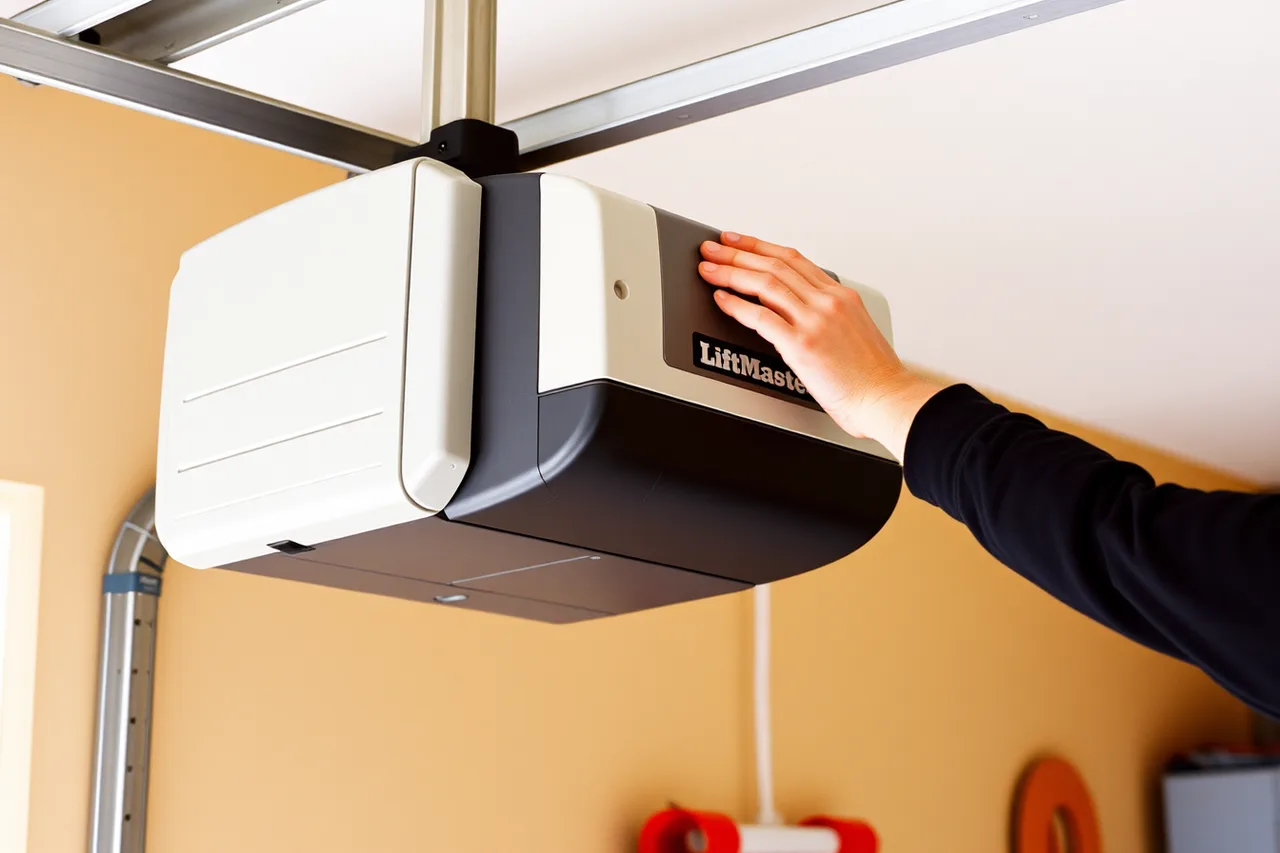
An 8500 wall-mount operator typically costs $500 to $700 at dealer pricing in 2026. Retail Chamberlain units sell for $200 to $400.
Genie, now under the same parent as Chamberlain, still holds a large older base. The 1000 and 2000 series screw and chain drives are common. Its newer wall-mount units compete with the 8500. In areas with 1990s housing, you will see more Genie than anything else. Typical price for a Genie chain drive is $150 to $300.
Chamberlain is the retail-facing sibling. Units sold through big-box channels carry different model numbers and thinner documentation than the dealer line. That difference matters when you identify a component on a Tuesday. A Chamberlain belt-drive unit often costs $200 to $350.
Sommer builds direct-drive operators with no belt or chain to tension. Quiet, fewer wear parts, and a smaller distributor footprint. It suits shops near a stocking dealer rather than shops that need a part by Saturday. Typical pricing for a Sommer direct-drive operator is $600 to $1,000.
Marantec is the one technicians either like or avoid. Its operators use a different force-setting procedure than the Chamberlain family. Its accessory range is narrower. Where it is installed, it tends to stay installed. A Marantec operator typically runs $400 to $700.
Linear covers light commercial and gate operators. Hormann covers European-style sectional doors and matching operators. Both are worth a distributor conversation before you commit truck stock to them. Typical Linear commercial operators run $400 to $900. Hormann sectional doors often start near $1,500.
Typical operator prices, for truck-stock planning: LiftMaster 8500 $500 to $700; Genie chain $150 to $300; Sommer $600 to $1,000.
Doors and the parts houses behind them
Clopay, Amarr, Wayne Dalton and CHI cover most residential sectional work in the United States, and the same four cover most Canadian work. The door brand matters less than the hardware package. Hinges, rollers, drums and cables are where callbacks live.
Clopay's Classic Steel and Amarr's Heritage lines are common on single-car jobs. Wayne Dalton's 9100 and CHI's 2283 appear on many double-car doors. A single-car steel door typically runs $600 to $1,200 installed as of 2026. A double-car door typically runs $1,200 to $2,500.
Doors and parts houses
- ClopayClassic Steel covers most single-car work; hinges, rollers and cables are standard across the range.
- AmarrHeritage is common on builder jobs; match the hardware kit to the panel before you order.
- Wayne Daltonthe 9100 appears on many double-car doors; some parts are proprietary, so check availability first.
- CHIthe 2283 is common on double-car doors; confirm panel thickness before you quote springs.
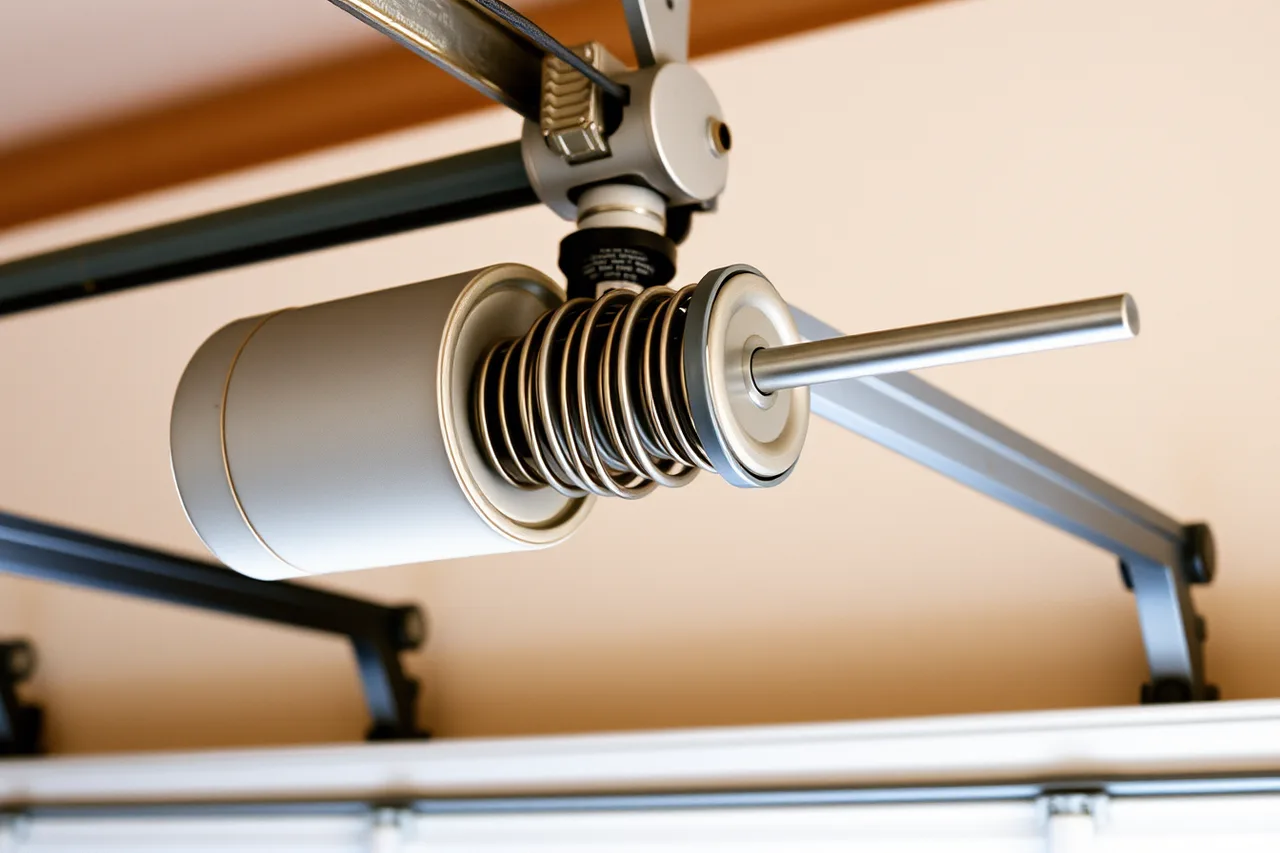
Springs are the exception. They are specified by cycle rating and wire size, not by door brand. A shop that quotes 'a spring replacement' without a cycle number is quoting a callback.
A 10,000-cycle spring on a door used four times a day lasts years. The same spring on a commercial door lasts months. Prices: 10,000-cycle torsion spring typically $40 to $80; 25,000-cycle $80 to $150.
UL-listed hardware is what a US inspector accepts; the CSA mark is the requirement for Canadian work. A component that carries UL or CSA marks is the one your inspector will accept. The Consumer Product Safety Commission's FAQ on residential garage door operators sets out the federal entrapment requirements an automatic residential operator has to meet.
What to score, and what to ignore
What to score
| Criterion | What to ask | Why it decides |
|---|---|---|
| Parts availability today | Lead time on your five most-replaced items | A diagnosis you cannot finish is a second visit |
| Parts continuity | What is still supported from ten-year-old ranges | You service what was installed, not what you sell |
| Documentation | Read the install and service instructions first | Vague instructions push technicians onto habit |
| Logic board generation | Which board, which revision, which replacement | Same name, different board, different diagnosis |
| Emergency access | What the counter can get you on a Saturday | Weekend calls are where margin is made or lost |
| Field serviceability | Can one component be replaced alone | Assembly-only replacement kills the ticket |
| Installed base locally | What is already on the doors you touch | Wrong truck stock turns correct diagnoses into failed visits |
| Warranty in practice | Ask another shop what a claim involved | Paper terms and real terms differ |
| Brand counter stock | LiftMaster, Genie, Chamberlain, Linear and Hormann depth; Sommer and Marantec as special order | Same-day repair depends on what the counter holds |
Weight these for your business. A repair-led shop weights parts availability, continuity, emergency access and local installed base. An installation-led shop weights documentation, compatibility across the range and price stability.
Worked example on thirty jobs
Take your last thirty calls. For each, record the operator or door brand, the failed component, whether the part was on the truck, and how long it took to obtain if not.
That table scores availability, continuity, documentation and failure pattern with evidence rather than impression. It will disagree with the reputations circulating in the trade more often than you expect.
The same survey, run across your whole service area, is the one set out in the equipment and setup guide.
Where the compliance questions sit
Equipment choice does not change your obligations. Entrapment protection, force settings and the UL 325 checks apply whatever badge is on the housing. The manufacturer's instructions are the reference for adjustment.
Employer safety duties are yours regardless of what is on the truck. The Occupational Safety and Health Administration's material on safety and health program management is a starting point. Provincial authorities set the version that binds you in Canada.
Keep purchase and warranty documentation for anything significant. The IRS overview of records a business keeps is a reasonable baseline. A warranty claim will ask for more. Licensing and remittance rules vary. Confirm with your state or provincial authority and your accountant.
Turning the score into a purchase
A scorecard is not a decision. Combine it with the new-or-used judgment in the cost guide for new and used equipment. Then check the shopping list against the equipment checklist for new owners so nothing arrives on the truck without a reason.
If a brand choice implies training your team does not have, settle that first with the hiring and training guide. If it implies opening a district with a different installed base, test it against the market selection guide.
Common questions
Which operator brand should a small shop carry?
Carry the one your distributor stocks deeply and your area is already full of. In most US markets that is LiftMaster or Genie, and the same holds in most Canadian markets. Chamberlain appears on retail-installed doors you did not sell.
Should a shop standardize on one manufacturer?
Standardize where you install. Stay flexible where you repair. You do not choose what is already on the house. Refusing to stock a second brand's common parts costs more than the shelf space.
Do cycle ratings really change the quote?
Yes. Wire size and price both follow the cycle rating, and a quote without the number is a callback risk.
What about buying operators from general retail?
Fine for a homeowner replacing their own unit. Poor for a service truck. Retail model numbers do not match dealer documentation. The component you need will not be listed.