Guides
Garage door service equipment checklist for new owners
Use this garage door service equipment checklist to outfit a repair van with access, safety, diagnostic, counterbalance, parts, and recordkeeping gear.
What to take away
Use this garage door service equipment checklist to outfit a repair-led service van. It names the core gear by what it does on a visit; manufacturer instructions and local requirements still determine what your work requires.
- Check an item off only when it is on the vehicle, in a known place, and the person driving knows how to use it.
- The list is grouped by what the item does on a visit, not by where it was bought.
- Two blocks cannot be completed from a catalogwhat the manufacturers' instructions require for your work, and what your insurer expects to see.
- Leave the parts block until last and keep it deliberately short at the start.
- Re-run the whole list after the first month of real jobs, when your own failed visits have something to say.
Block one: access and the work area
- Extension and stepladders, plus a platform ladder or work platform, selected for the job's height, surface, and combined user-and-tool load
- Cones and warning tape to mark the work area inside a domestic garage
- A rechargeable LED work light or headlamp for garages with the door closed
- Wheel chocks or equivalent for sloped driveways
- Clean sheeting to protect a customer's floor and vehicle
Block two: protection and the shop's own rules
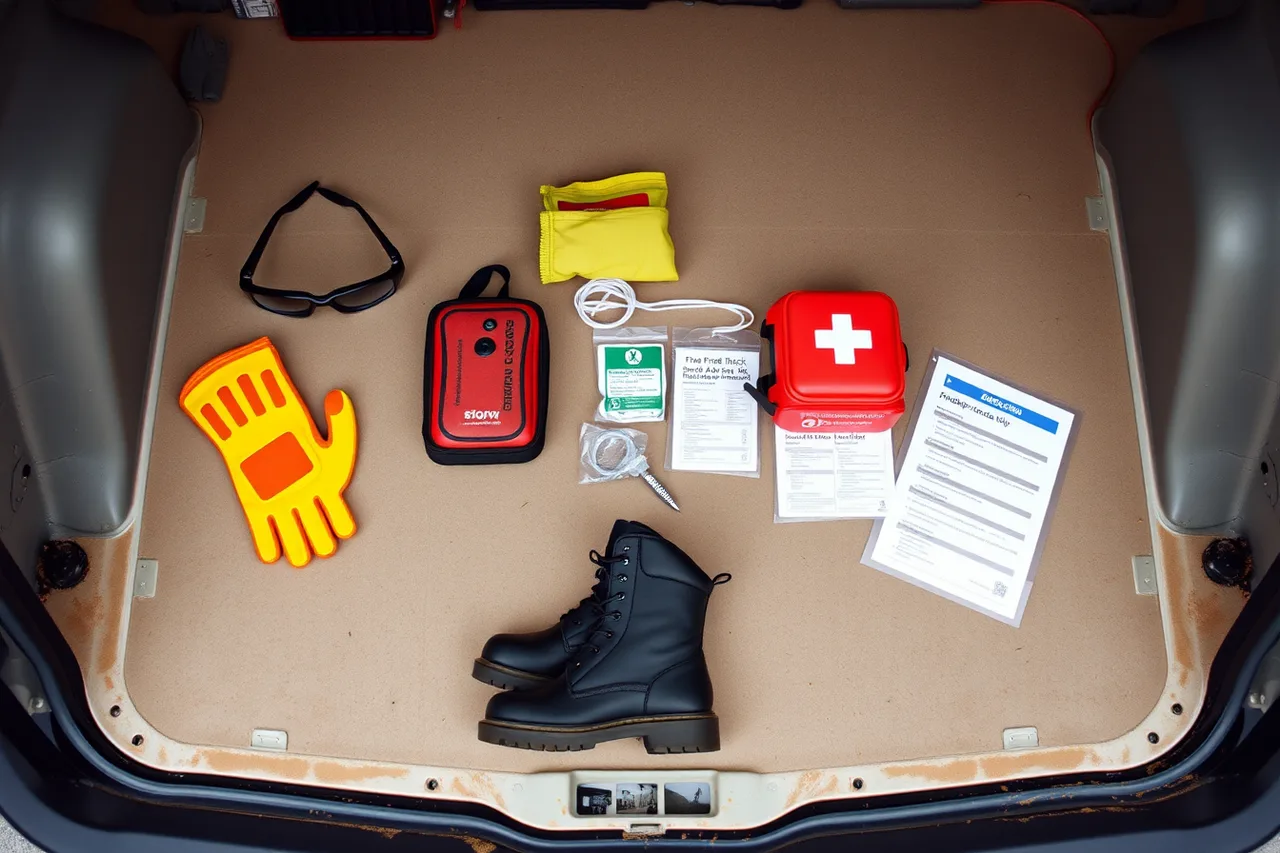
- Safety glasses marked ANSI Z87.1, task-appropriate gloves, and safety-toe footwear meeting ASTM F2413
- The specific items the door and opener manufacturers' instructions call for on the work you take
- A first-aid kit and supplies on every vehicle
- A written incident procedure, in the van, that a new hire can follow
- Your own written rule on which work is done alone and which is not
The last two are documents rather than purchases, and they are the ones most often missing. The Occupational Safety and Health Administration's (OSHA) Recommended Practices for Safety and Health Programs is a starting point for the written side; the model-specific requirements come from the manufacturers.
Block three: diagnosis
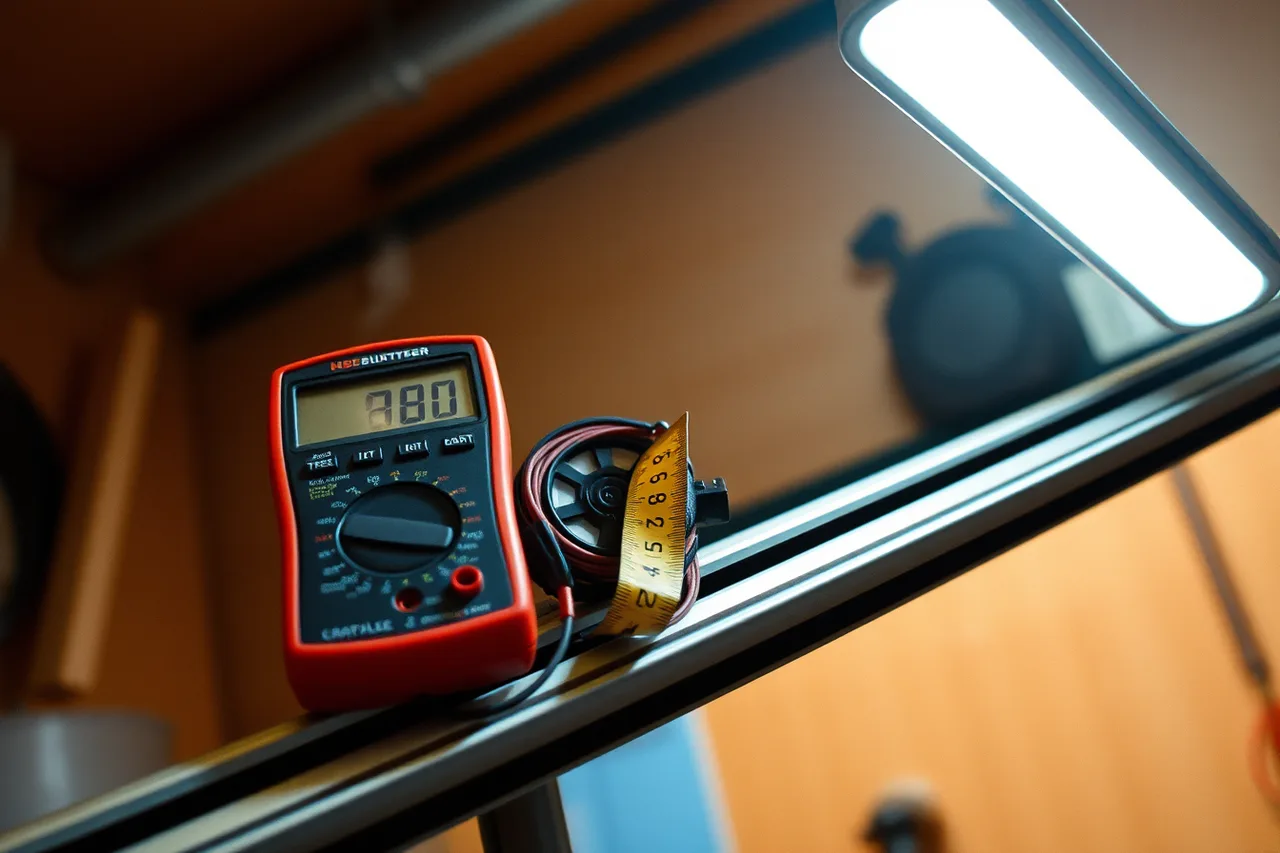
- A digital multimeter with voltage and continuity functions for operator and control circuits
- A door-force gauge or spring scale for checking door balance and operating force where applicable
- A tape measure and a level, because a surprising number of faults are alignment
- The test block specified by the operator manufacturer for the safety-reversal test
- A phone or camera to photograph the condition found, before touching it
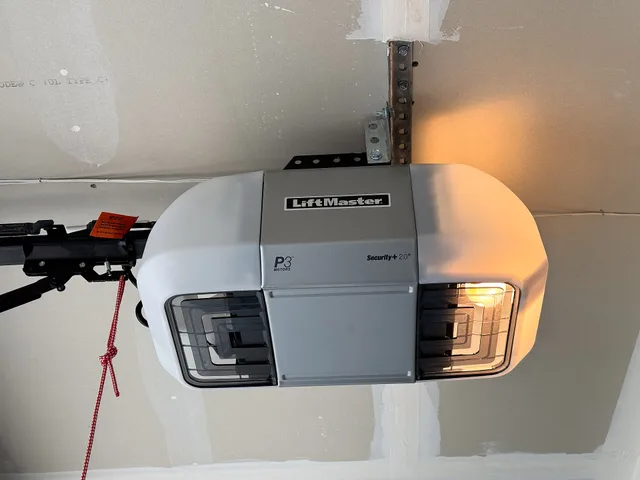
Use the manufacturer's instructions for the operator in front of you and the CPSC FAQ covering automatic residential garage door operators. The federal operator safety requirements are in 16 CFR Part 1211; UL 325, Standard for Safety for Door, Drapery, Gate, Louver, and Window Operators and Systems, is the product-safety standard to identify when selecting and servicing operators. Use the specified test block and verify each safety feature as instructed.
Block four: hand tools for your month-one menu
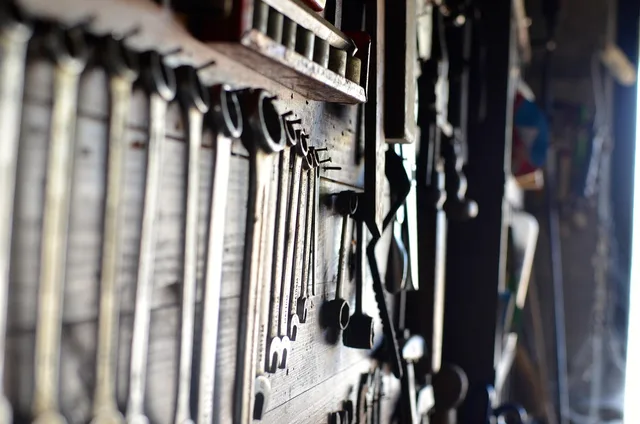
- Socket and nut-driver sets, combination wrenches, screwdrivers, pliers, and hex keys for the fasteners on your service menu
- Torsion-spring winding bars sized for the spring's winding cone; use them only for counterbalance work you are trained and equipped to perform
- Locking pliers (vise grips) and shaft or track clamps for securing the door or shaft where the procedure calls for them
- Fastener and hardware assortment for track, hinge, and bracket work
- Cordless equipment with a second battery, because a flat battery is a lost visit
- A tidy way to carry all of it from the van to the garage in one trip
- Any additional tools specified by the manufacturers' instructions for the work you have chosen to take on
For sectional overhead doors, consult the manufacturer's instructions and applicable standards, including ANSI/DASMA 102, American National Standard for Sectional Overhead Type Doors.
Block five: the parts bet
- Counterbalance components chosen for the doors you saw on your area survey, not from a catalog
- Cables, rollers, hinges, and brackets in the types your area's doors actually use
- Sensor and control components for the opener families you meet most
- Remotes and keypads for common opener types
- A written note of what you deliberately did not stock, so the gap is a decision rather than an oversight
Counterbalance parts are matched to an individual door, so this block is a bet rather than a purchase. The reasoning behind placing that bet narrowly is in the equipment and setup guide.
Block six: the visit record
- A written work-order form or digital job record for the scope and findings you give the customer before leaving
- Payment acceptance that works without reliable signal
- A phone or tablet camera and job-record storage tied to the job rather than only to a device
- A retention method for job records that will still be usable in a year, using IRS Publication 583, Starting a Business and Keeping Records, as a guide to business records
Block seven: the things that are not equipment
- Confirmation of what your license or registration position actually is, from the body that issues it, which the licensing and compliance guide explains how to establish
- Insurance in place, with the technician-working-alone question answered in writing
- Vehicle signage and contact details that match what your advertising says, which matters more than it sounds and is covered in the marketing and growth guide
- A sign-off record for every person allowed to be dispatched to each type of work, as set out in the hiring and training guide
Re-running the list after month one
Take the log of unfinished visits and read it against block five. Every entry names a part you chose not to carry, a tool you lacked, or work nobody signed off for.
That is the only shopping list worth acting on, and it is more accurate than anything you could have bought at the start.
Common questions
These answers assume a repair-led opening; manufacturer instructions and local licensing requirements still apply.
Can the parts block be completed before the first job?
Not honestly. You can guess, and the guess is worth making narrow so that the correction is cheap.
Is this list enough for an installation business?
No. Installation adds door handling, storage, and delivery coordination, and it changes the vehicle question. This list covers a repair-led opening.
How often should the checklist be reviewed?
After the first month, then whenever the service area changes or a new type of work joins the menu. A checklist that never changes has stopped describing the business.
What if an item cannot be afforded yet?
Then that work stays off the menu until it can. Taking work you are not equipped to finish is how a shop trains its customers to expect a second visit.